Maldives: Discover the Islands, Lagoons & Luxury of Paradise
Discover the Maldives in the Indian Ocean
The Maldives is one of the most recognized Indian Ocean islands, often appearing on searches from travelers looking for the perfect island in the Indian Ocean where they can slow down, relax, and enjoy a warm tropical climate. Spread across a wide area of ocean, these islands form one of the most distinctive groups of islands of the Indian Ocean, shaped by coral reefs, shallow lagoons, and long stretches of white sand that make the region truly unique. Many visitors begin by looking at a Maldives map, helping them understand not only how the islands are arranged but also where the country sits within the wider Indian Ocean region, alongside other destinations with their own unique landscapes, beaches, and cultural traditions.
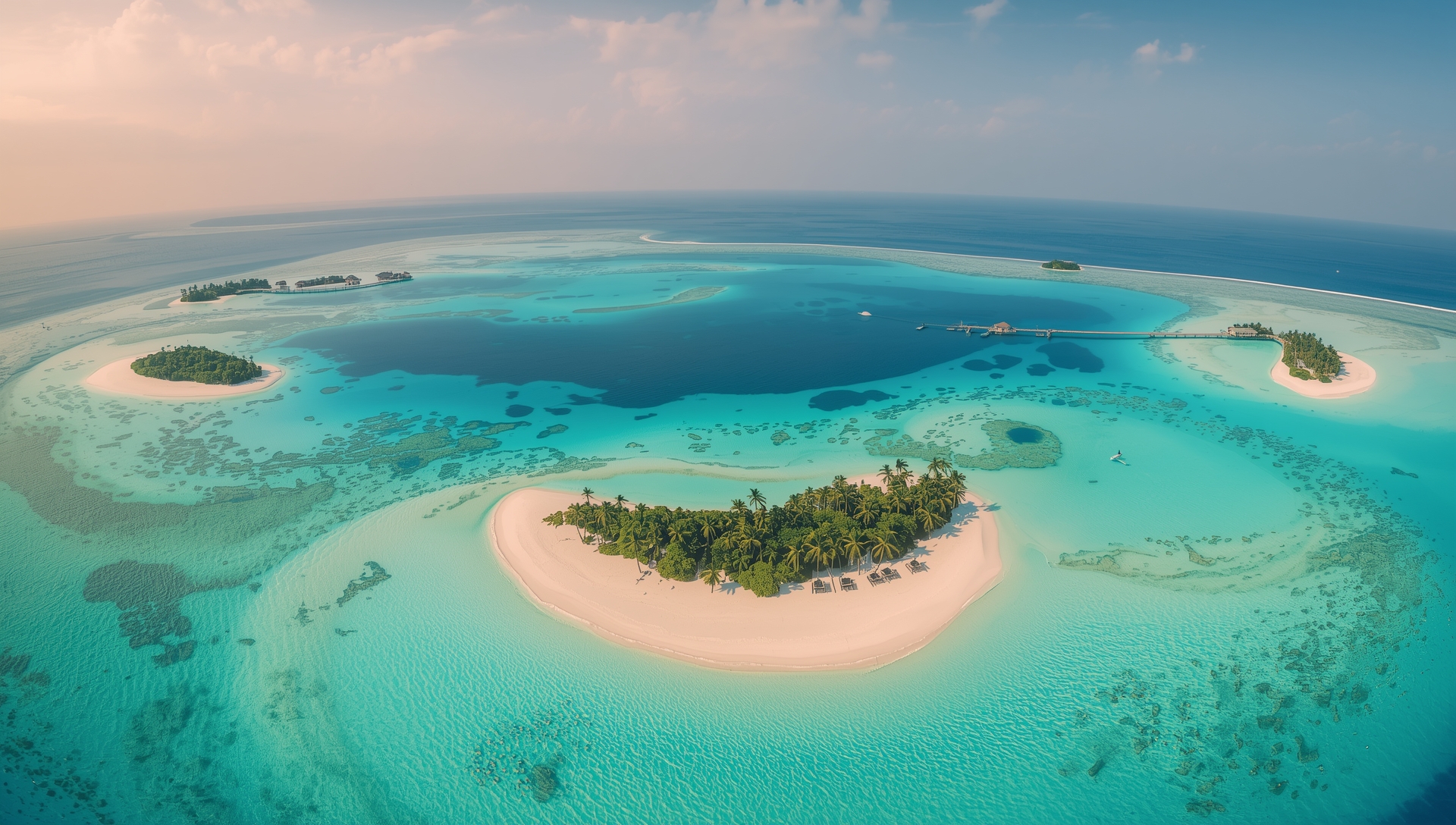
What makes this part of the world particularly special is the sense of remoteness. When travellers research an island in Indian Ocean destinations, the Maldives stands out for its quiet atmosphere, calm water, and small island living that feels far removed from busy cities. People often compare different Indian Ocean island countries while planning a holiday, and the Maldives consistently ranks among the most desirable locations. The region’s geography is also fascinating, with many visitors using an Indian Ocean islands map or a simple map of Indian Ocean islands to understand how the vast ocean is dotted with hundreds of small islands.
Because the Maldives is part of a broader family of islands of Indian Ocean destinations, travelers sometimes look into nearby regions such as Mauritius, Seychelles, Réunion, and other Indian Ocean island nations. These comparisons help visitors discover which experience suits them best — from quiet beaches to adventure-filled breaks. Still, the Maldives remains one of the most iconic destinations in the Indian Ocean islands group because of its clear lagoons, warm climate, and peaceful island atmosphere.
This guide introduces the Maldives through five clear sections — Maldives Essentials, Under the Water, Over the Water, On Land, and Things to Do in the Maldives — giving you a complete and easy-to-follow look at how this remarkable Indian Ocean destination fits into the wider world of tropical travel.
- The Maldives is one of the most recognised islands in the Indian Ocean, known for calm lagoons and coral landscapes.
- Travellers often compare islands of the Indian Ocean when choosing where to go, with the Maldives consistently ranking highly.
- The region is made up of many islands in the Indian Ocean, forming a chain of tropical destinations across warm blue water.
- Maps of Indian Ocean islands help visitors understand how widespread the island groups are and where the Maldives sits among them.
- The Maldives is part of several Indian Ocean island countries, each offering different cultures, beaches, and travel styles.
- An Indian Ocean islands map highlights how the Maldives stands out due to its atolls, shallow lagoons, and resort-focused islands.
- Island nations in the Indian Ocean, such as Seychelles and Mauritius, are often compared with the Maldives for multi-stop travel.
- Looking at the best island in the Indian Ocean often leads travellers directly to the Maldives for its beaches and marine clarity.
Maldives Essentials
For many travelers planning their first journey to the Maldives, understanding a few key essentials helps set realistic expectations and unlocks what makes these islands so special. One of the most common early questions is where are the Maldives, especially for travellers comparing the country to other islands of the Indian Ocean like Mauritius, Seychelles, or Réunion. The Maldives stretches across a long chain of atolls southwest of Sri Lanka and India, made up of tiny coral islands ringed by clear lagoons and shallow reefs. Because these islands are spread out over such a wide area, almost every traveller will arrive through Malé before transferring to their resort by speedboat or seaplane. This scattered geography is part of the country’s magic — each island feels intimate, quiet, and beautifully isolated, giving visitors a sense of escape that few destinations can match.

Reaching the Maldives is straightforward, though the journey often involves a combination of international flights and a short island transfer. Most travelers arrive at Velana International Airport (MLE) in Malé, which is connected to major hubs such as Dubai, Singapore, Doha, Kuala Lumpur, and Colombo. From there, visitors continue to their resort either by speedboat or seaplane, depending on distance and location. Speedboats serve islands close to Malé, while scenic seaplane flights carry guests to more remote atolls, offering a spectacular aerial introduction to the archipelago. Understanding these transfer options early in your planning helps set expectations around travel time, costs, and the overall flow of your arrival day.
Another essential part of planning involves understanding Maldives Weather, which stays warm and tropical year-round thanks to its position near the equator. Days are typically sunny, humid, and breezy, with temperatures hovering between the high 20s and low 30s. Rainfall shifts with the monsoon seasons, creating a rhythm that influences ocean visibility, wind patterns, and even the colour of the surrounding lagoons. Pairing weather conditions with the Best Time to Visit Maldives helps travellers choose the season that suits them best. The dry-season months often attract visitors seeking calmer seas, crystal-clear skies, and ideal snorkelling conditions, while the wetter months appeal to travellers who prefer quieter resorts, softer pricing, and lush green island scenery.
As with any international destination, travellers naturally consider Maldives Safety before finalising their plans. The Maldives is known for being one of the safer countries in the Indian Ocean region, particularly on resort islands that operate independently with dedicated staff, strong infrastructure, and 24-hour assistance. Local islands are also friendly and welcoming, though visitors should remain mindful of cultural expectations and dress modestly away from resort beaches. Ocean safety is another priority — currents vary from channel to channel, and following local guidance is essential when swimming, snorkelling, or joining water-based excursions.
Food is often a highlight of any island holiday, and Maldives Food reflects a blend of local tradition and regional influence. Resort islands offer everything from fine dining to beachside grills, while local islands present a more traditional approach with tuna curries, coconut-rich dishes, and simple handmade snacks. Fresh seafood is central to Maldivian cuisine, and travellers often find that exploring food — whether through tasting menus at luxury resorts or small cafés on inhabited islands — becomes one of the most memorable parts of their trip.
Budgeting for your journey is another important consideration, and understanding Maldives Costs helps travellers plan realistically. As a remote island nation with limited local manufacturing, many goods and services must be imported, which naturally raises prices. Accommodation, transfers, dining, and activities vary widely depending on whether you stay in a luxury overwater villa, a boutique island resort, or a budget-friendly guesthouse on a local island. Even so, travellers can tailor their spending to suit their style, and thoughtful planning allows many people to enjoy the Maldives at a range of price points.
Inspiration often begins with Maldives Photos, long before travellers step onto a real island. The country is one of the most photographed destinations in the world, known for its turquoise lagoons, bright sandbars, colourful coral reefs, and iconic overwater bungalows. Aerial images of atolls, sunsets reflected in calm lagoons, and glimpses of marine life often shape travellers’ island choices and help them plan activities like snorkelling, diving, or island-hopping.
Cultural understanding forms another layer of the Maldives travel experience, and Maldives Religion plays a key role in local life. The Maldives is a traditionally Muslim nation, shaping customs, holidays, and expectations on local islands. While resort islands operate more independently to cater to global travellers, visitors exploring local islands should observe cultural norms — dressing modestly, respecting prayer times, and being aware of alcohol restrictions. Understanding religion helps travellers engage more meaningfully with local communities and appreciate the cultural identity of the Maldives.
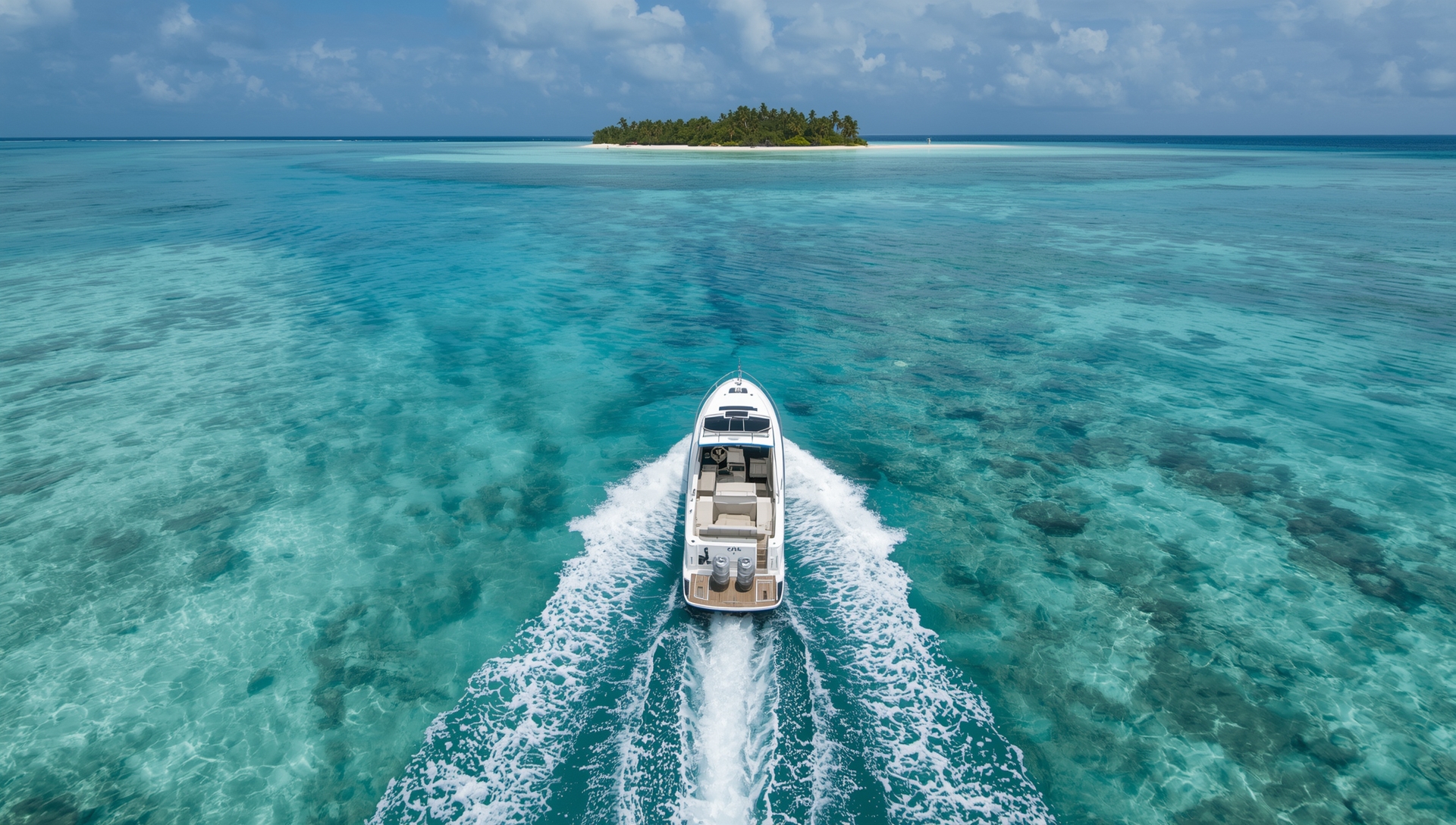
Together, these essentials create a strong foundation for any trip across the islands of the Indian Ocean. By understanding location, climate, costs, culture, safety, and overall logistics, travellers can approach their Maldives journey with clarity, confidence, and a deeper appreciation for one of the world’s most extraordinary island destinations.
Island Essentials at a Glance
- The Maldives sits among famous Indian Ocean islands known for their turquoise lagoons and coral landscapes.
- This island nation appears on every major map of Indian Ocean islands, stretching across long chains of atolls.
- Often counted among the best islands in the Indian Ocean, it blends natural scenery with luxury stays.
- As a tropical island country in the Indian Ocean, its climate stays warm year-round.
- Each atoll contributes to the broader network of island nations in the Indian Ocean.
- Its geography mirrors several island countries Indian Ocean travellers explore on multi-stop holidays.
- Surrounded by the wider islands of the Indian Ocean, the Maldives is a gateway to a region rich in culture and sea life.
- Most travellers reach the Maldives by flying into Malé before transferring to their island by speedboat or seaplane.
Under the Water - Maldive Ialands
The Maldives is one of the world’s most iconic Indian Ocean islands, and nothing defines the region more than what lies beneath the surface. Warm tropical waters, vast coral systems, and extraordinary biodiversity make these atolls a global magnet for travelers seeking vivid marine encounters. Whether guests prefer easy lagoon floats, guided reef adventures, or cinematic underwater architecture, the seas surrounding this island nation offer an experience that feels both peaceful and exhilarating.
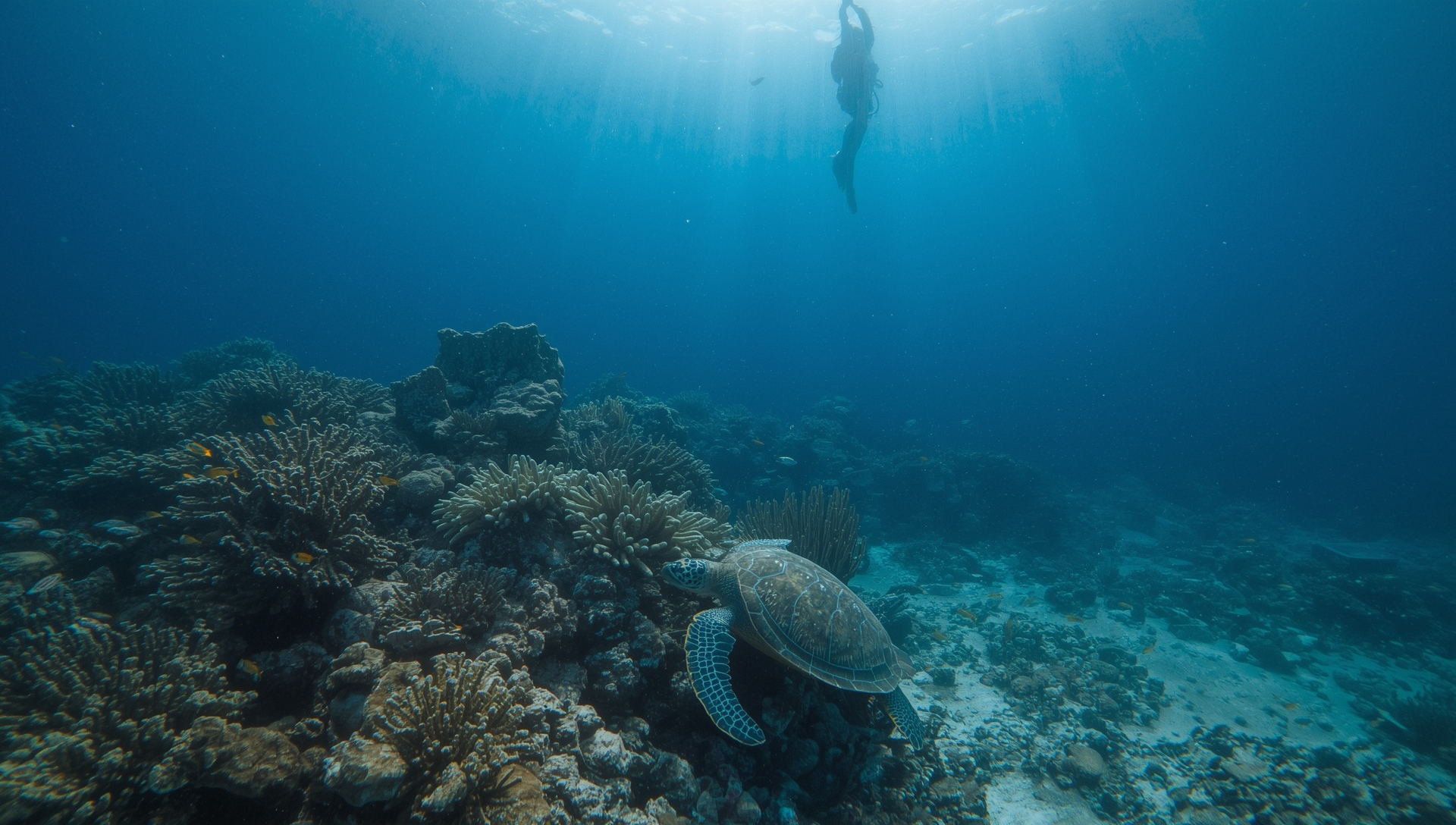
For many visitors, the first introduction to life below the surface comes through snorkeling in maldives. With shallow lagoons circling most resorts, newcomers quickly realise why the country stands apart from other islands of the Indian Ocean. Visibility often exceeds 20–30 metres, meaning guests can drift above branching coral gardens, rays gliding along sandy channels, or schools of reef fish shimmering in the light. Even small house reefs frequently rival those found in large marine reserves elsewhere across Indian Ocean islands.
In calm conditions, resorts often run short guided trips that allow guests to explore outer-reef drop-offs where the colours shift dramatically. These excursions also introduce travellers to the idea of structured reef zones, something that defines many island nations in the Indian Ocean: sandy shallows, hard-coral ridges, soft-coral walls, and deep channels where larger marine species pass through with the tide.
Some travellers come with one goal in mind: enjoying dedicated reef time through maldives snorkeling opportunities. These typically highlight the country’s rich biodiversity, with butterflyfish, parrotfish, angelfish, turtles, and reef sharks appearing regularly. Unlike many island countries in the Indian Ocean, the Maldives has a combination of warm temperatures, minimal river runoff, and stable reefs that create consistent conditions year-round.
For those wanting to explore further, guided tours focused on snorkeling in the maldives take guests to pinnacles, cleaning stations, and vibrant coral blocks known locally as thilas. In these spots, marine traffic intensifies—shoals swirling in spirals, moray eels resting in crevices, and eagle rays gliding in formation. Each site offers something distinct, giving snorkellers a broad sense of what shapes ocean life around these island in the Indian Ocean environments.
Beyond the shallows, adventurers often turn toward maldives diving, which allows them to explore vertical reef faces, deep passages, and areas where pelagic species roam. Dive boats distribute guests across channels with strong currents that attract sharks and rays, creating drift dives filled with movement and life. These deep-water landscapes resemble those found near other remote Indian Ocean island countries, where ocean currents shape both marine biodiversity and reef structure.
Learners and experienced divers alike can participate in specialized boat trips or resort-based training programes such as entry-level courses or advanced reef certifications. Conditions are ideal: warm water, light gear, and predictable visibility. For many, this becomes a gateway to broader experiences across best islands in the Indian Ocean, where exploration becomes not just a sport but a way of connecting with the marine environment.
Those wanting more structured adventures frequently join groups focusing on scuba diving in the Maldives, taking advantage of an environment that offers channels, overhangs, swim-throughs, and coral slopes. These trips often highlight the area’s megafauna—reef sharks, manta cleaning stations, and, in the right season, whale shark routes. Similar encounters appear throughout pockets of islands in Indian Ocean map regions, but the Maldives offers an unusually compact layout of sites that divers can reach quickly.
Across every level of exploration, visitors remain drawn to the country’s extraordinary ecology, often described collectively as maldives marine life. From bioluminescent plankton to patterned nudibranchs, from graceful hawksbill turtles to inquisitive batfish, the underwater world here feels more like a living gallery than a natural environment. These ecosystems are central to why travellers rank the Maldives among the best islands in the Indian Ocean for ocean-based experiences.
But underwater exploration here isn’t limited to nature. One of the most distinctive attractions is the remarkable maldives underwater hotel concept. A handful of resorts offer suites or dining venues that sit beneath the surface, giving guests a clear view of coral blocks, passing fish, and shifting light from the comfort of their room. This experience, while rare among other island nations Indian Ocean, has become one of the Maldives’ signature features and a powerful symbol of its connection to the sea.
If you fancy swimming with sharks Maldives offers a surprisingly calm, unforgettable experience, especially when joining guided lagoon sessions where visitors can swim with sharks safely alongside small, non-aggressive reef sharks. Clear visibility, shallow water, and mild currents make these encounters accessible to most travelers, with black-tip and white-tip reef sharks gliding through the turquoise shallows while slow-moving nurse sharks rest on sandy patches below. With expert guides ensuring respectful distance and reef-safe practices, the experience feels more like observing wildlife in its natural habitat than seeking adrenaline — a quiet, awe-filled moment that becomes a highlight of exploring the Maldivian underwater world.
Together, these underwater experiences reveal the Maldives not just as a tropical holiday destination but as an aquatic world shaped by geography, climate, and culture. For guests exploring the region, the ocean becomes the centrepiece—an invitation to slow down, look closer, and feel part of a marine environment that is every bit as captivating as the islands themselves.
Beneath the Blue Essentials
- The Maldives sits among iconic Indian Ocean islands known for world-class coral reefs and lagoon systems.
- Its long chain of atolls forms part of the broader island nations in the Indian Ocean, celebrated for vibrant marine ecosystems.
- Many travellers compare it to the best islands in the Indian Ocean for underwater clarity and biodiversity.
- Its geography is featured on every detailed map of Indian Ocean islands, showing the extensive reef networks.
- The Maldives remains one of the most recognised island countries Indian Ocean explorers seek for snorkelling and diving.
- Positioned near several neighbouring island countries in the Indian Ocean, it shares warm tropical waters ideal for marine life.
- The surrounding islands of the Indian Ocean create rich migratory pathways for rays, sharks, and pelagic species.
- Guided lagoon encounters also allow visitors to enjoy safe swimming with sharks Maldives experiences.
Over the Water in the Maldives
Perched above some of the clearest lagoon water in the world, life over the water in the Maldives is the very image of tropical escapism. Across this chain of Indian Ocean islands, travelers find a rhythm shaped by calm seas, shimmering sandbanks, and the gentle sway of wooden boardwalks connecting villas, restaurants, and private decks. It’s here—on an island in the Indian Ocean—that many visitors first discover the Maldives’ signature experience: the Maldives Overwater Bungalow. These iconic villas sit above turquoise shallows, creating the sense of floating between sea and sky. Morning coffee becomes a moment to watch rays glide below your deck, while sunset turns your private ladder into the perfect place for a quiet swim.
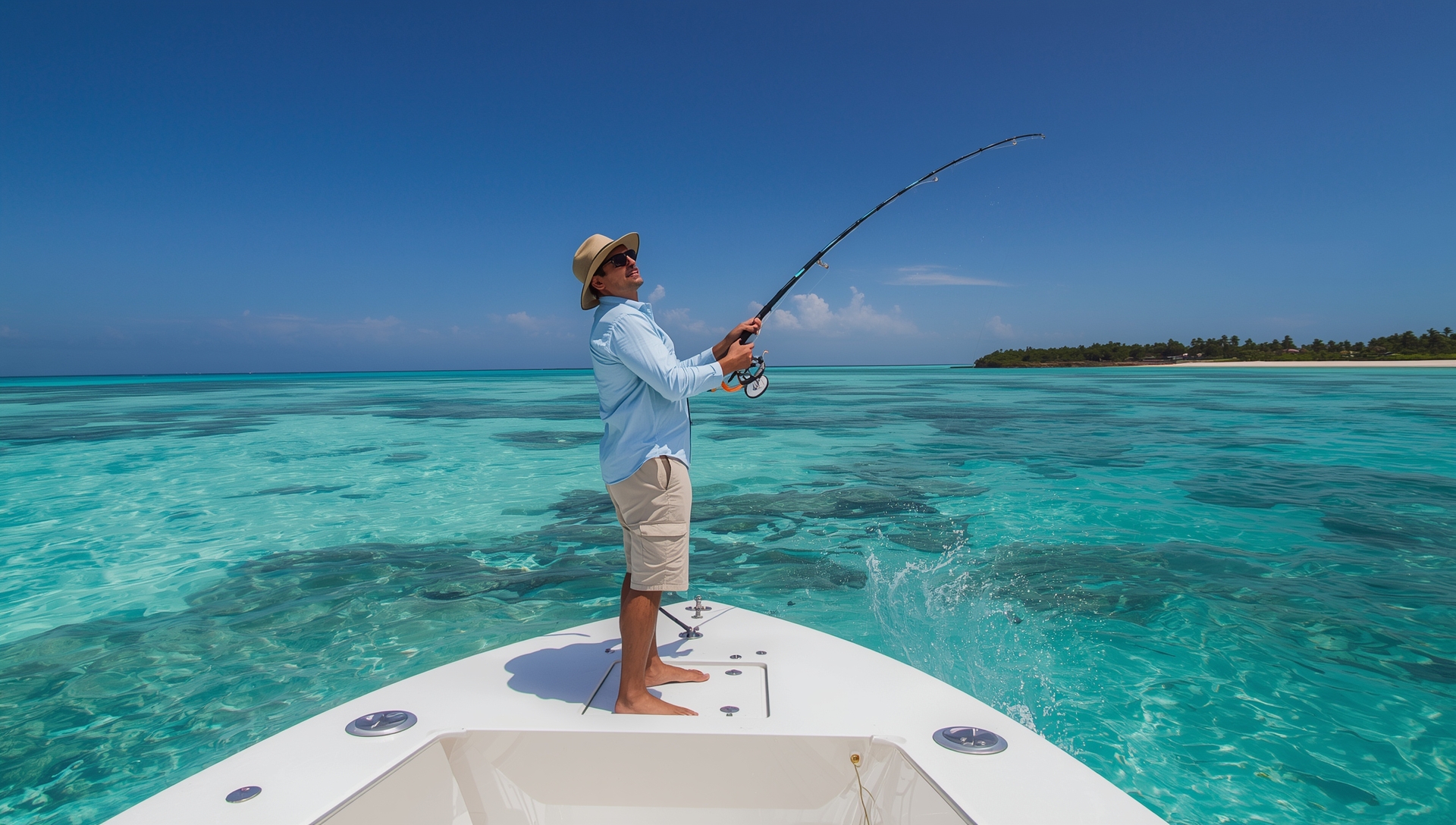
The vast selection of Maldives Resorts means there is a place for every type of traveler. Some resorts focus on boutique luxury, while others offer expansive islands with multiple pools, lagoon hammocks, and long stretches of white sand. The overwater villas vary widely—some come with glass floors, outdoor showers, or infinity plunge pools. Others remain simple and serene, ideal for travelers who prefer natural beauty over embellishment. Because each island resort sits on its own coral ring within the islands of the Indian Ocean, the atmosphere feels peaceful and self-contained, uninterrupted by crowds or noise.
For couples, this region of the Indian Ocean is one of the world’s most romantic settings. Many travelers arrive specifically to celebrate Maldives Honeymoons, with candlelit dinners on the beach, floating breakfasts, and spa rituals centered around slow, relaxed living. Maldives Weddings bring an added layer of magic—ceremonies set on sandbanks or villa decks, accompanied by soft waves and pastel skies. Even symbolic weddings feel unforgettable in a place where time seems to pause.
Families also find plenty to love. A Maldives Family Holiday often includes spacious villas, lagoon snorkeling, calm-water kayaking, marine biology sessions for kids, and gentle beaches perfect for beginners. Resorts with children’s clubs make it easy for adults to enjoy downtime while little ones learn about coral, turtles, or life in the Indian Ocean islands.
Swimming in the Maldives is one of the simplest ways to enjoy the islands’ warm turquoise water, especially in the calm lagoons that wrap around most resort islands. These shallow areas are naturally protected by the outer reef, creating ideal conditions for relaxed ocean dips, floating, and gentle swimming for all ages. Many beaches offer wide sandy entries with barely any waves, making them perfect for families or travellers who prefer easy access to the water. While swimming in the Maldives does invite encounters with colourful reef fish, rays, and sometimes even friendly reef sharks cruising in the distance, these species are generally harmless and accustomed to human presence. Most resorts clearly mark recommended swimming zones, provide safety flags during changing currents, and offer guidance on the best times to enjoy the water. It’s a simple, peaceful experience that helps visitors appreciate the Maldives’ clear visibility and warm year-round sea temperatures—no gear required.
Meals are another highlight. Whether it's fresh seafood grilled over coconut charcoal, beachside dining under lanterns, or tasting menus celebrating local Maldivian flavors, Maldives Restaurants bring remarkable food into remarkable settings. Many overwater restaurants feature open-air pavilions, giving unobstructed views of the lagoon and reef. At night, some areas even glow with bioluminescence—an unexpected bonus to outdoor dining.
Guests planning Things to do in Maldives will find plenty above the water. Calm lagoons allow paddleboarding and canoeing almost every day of the year. Sunset cruises reveal pods of dolphins leaping through deep-blue channels. Local island visits offer a glimpse of daily life beyond the resorts. Parasailing, catamaran sailing, and private sandbank picnics add even more choice to a long list of experiences.
Getting around is part of the adventure. Maldives Transport includes seaplanes, speedboats, and domestic flights linking the scattered atolls. For many travelers, the seaplane journey becomes one of the trip’s most vivid memories—flying low over coral rings, lagoons, and tiny uninhabited islands tucked within the Indian Ocean island chain.
Overwater travel doesn’t have to be expensive, either. A growing number of travelers seek the Maldives On A Budget, choosing guesthouse-owned overwater rooms, locally run resorts, or seasonal discounts at major properties. Many islands offer simple, comfortable stays that still provide the classic lagoon views without premium rates. Thanks to more flight routes and increasing demand across the islands in the Indian Ocean, the Maldives has become more accessible than ever before.
In every direction—sunrise, sunset, or the midday glow of turquoise water—being over the water in the Maldives offers a feeling of calm that’s difficult to recreate anywhere else in the world. Whether you’re celebrating love, traveling with family, exploring the atolls, or simply resting on a deck where ocean meets sky, life above these lagoons invites you to slow down and breathe in the beauty of the Indian Ocean islands.
- The Maldives is one of the most iconic islands in the Indian Ocean, famous for shallow lagoons and overwater living.
- Many resorts offer a classic Maldives Overwater Bungalow experience with private decks and lagoon access.
- Guests can enjoy ocean adventures as part of Things to do in Maldives, including cruises and water sports.
- Family-friendly options make planning a Maldives Family Holiday simple and stress-free.
- Couples often choose the Maldives for Maldives Honeymoons and symbolic Maldives Weddings.
- Travelers can reach their island using typical Maldives Transport such as speedboats and seaplanes.
- Affordable stays are possible with smart planning for a Maldives On A Budget escape.
- Warm, calm lagoons make Swimming in the Maldives one of the easiest and most relaxing ways to enjoy the ocean.
On the Land - Maldive Islands
Exploring the Maldives from the ground up reveals a side of the islands that many visitors never fully experience. While the world often focuses on the turquoise lagoons and overwater living, time spent on the islands themselves unlocks stories of heritage, ecology, and daily life that stretch far beyond the ocean. From palm-lined paths to coral-stone villages, the landscapes offer a rich connection to the broader identity of the Indian Ocean islands, shaped by centuries of cultural exchange and environmental change.

The first thing visitors notice is how distinct the Maldives Islands feel from one atoll to another. Some are small and uninhabited, wrapped in soft white sand; others are thriving local communities with markets, mosques, and lively waterfronts. Walking these islands gives travelers a sense of scale and geography that’s often missed from the water. Many islands still feature traditional coral-stone architecture, handcrafted fishing boats, and welcoming neighborhoods where local life continues at an unhurried pace. Exploring these pockets of authenticity provides grounding context to the archipelago’s reputation as one of the most recognizable island nations in the Indian Ocean.
On land, the Maldives offers a mix of relaxation, culture, and island discovery. This includes the popular spa in Maldives experiences, along with guides to Maldivian culture, local food, photography spots, and the most beautiful beaches across the atolls. Together, these pages reveal everything that makes life on land just as memorable as the lagoons and reefs.
Nature lovers will find plenty to see on land, particularly when it comes to the diversity of Maldives animals. While underwater wildlife takes most of the attention, the islands are also home to fruit bats gliding across sunset skies, herons stalking the shoreline, and small lizards navigating the warm sand. Birdwatchers often travel between islands to observe species that migrate across the Indian Ocean or nest within mangroves and coastal vegetation. These moments on land complement the region’s marine encounters and offer a quieter look at local ecosystems.
Equally important to the experience is the vegetation that flourishes in a tropical climate. Coconut palms dominate the skyline, but a closer walk reveals breadfruit trees, beach heliotrope, and thick coastal shrubs that help stabilise shorelines. These Maldives Plants play a vital role in island sustainability, supporting shade, soil stability, and traditional uses in food and craftsmanship. Visiting islands with protected nature reserves provides a deeper understanding of how plants adapt to salt, wind, and limited freshwater in one of the world’s most delicate environments.
To understand the structure of the country, travellers often explore different Atolls Of The Maldives. Each atoll forms a ring-shaped collection of islands and reefs, shaped over millennia by volcanic and coral activity. Visiting multiple atolls — whether by ferry, domestic flight, or seaplane — helps guests appreciate how varied the landscapes truly are. Some atolls are home to bustling island communities, others to remote sandbanks, and many to a mix of local villages and resort islands. Seeing these patterns from the land gives a fuller picture of how geography influences culture, travel, and daily life across the archipelago.
Culture is woven into every shoreline and settlement, and taking time to explore Maldives Culture adds depth to any visit. Local islands offer insight into traditions shaped by South Asian, Arab, and East African influences, evident in music, craftsmanship, and the warm social etiquette that characterises Maldivian hospitality. Visitors often stop by cultural centres, mosques, or artisan workshops to learn about lacquerware, mat-weaving, and traditional drumming. These experiences bring the human story of the Maldives to life and balance the more touristic resort-focused view.
Walking, cycling, or simply strolling along shaded village paths allows travellers to step away from the postcard-perfect beaches and see the Maldives as a living, breathing island nation. Whether exploring nature reserves, learning local customs, or visiting communities spread across the Indian Ocean islands, time spent on land unveils a richer, more grounded perspective of this remarkable destination.
- Discover how the Indian Ocean islands shape the Maldives’ culture, wildlife, and daily life.
- Learn why each island in the Indian Ocean can differ in terrain, vegetation, and local traditions.
- See how the Maldives sits among famous island countries in the Indian Ocean like Mauritius and Seychelles.
- Understand how remote islands of the Indian Ocean influence conservation and eco-travel.
- Explore how island nations in the Indian Ocean share similar biodiversity with the Maldives.
- Get familiar with how Indian Ocean island countries rely on reefs, fisheries, and sustainable tourism.
- View the Maldives in context with neighbouring islands in the Indian Ocean through maps and geography.
Things To do In Maldives
The Maldives offers far more than postcard-perfect beaches; its appeal comes from a mix of ocean adventures, peaceful relaxation, and rare experiences that exist nowhere else in the world. For many travelers, researching things to do in Maldives is the easiest way to understand what the islands offer beyond stunning scenery, and the range of experiences is genuinely impressive. Whether you’re visiting for reefs, romance, photography, or pure downtime, the Maldives provides a wide variety of activities across its 26 coral atolls.
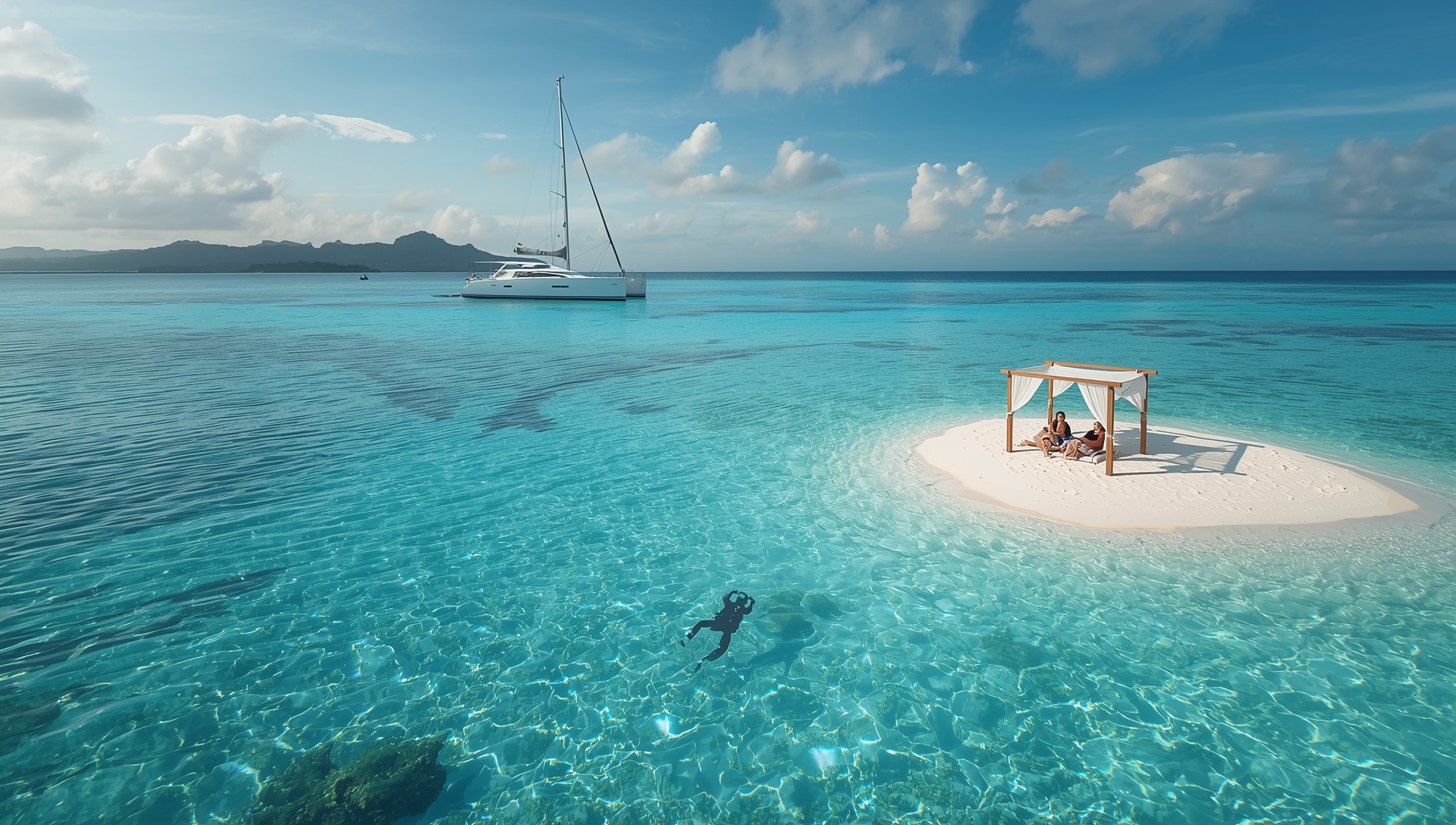
Snorkeling is often the first activity people try on arrival, and the Maldives is one of the easiest places on earth to explore colorful coral gardens directly from the beach. Many resorts have house reefs only a few meters offshore, making snorkeling in the Maldives ideal for both beginners and experienced swimmers. Reef fish, turtles, rays, and harmless reef sharks are common sightings, while seasonal manta gatherings add an extra level of excitement. Local islands also offer inexpensive guided snorkel trips for those wanting to explore more remote reefs.
Travelers looking for deeper, more immersive exploration quickly discover that scuba diving in the Maldives offers some of the world’s best marine encounters. The country suits every skill level, from gentle beginner dives to thrilling channel dives. Ari Atoll is famous for whale sharks, Baa Atoll for manta cleaning stations, and the outer atolls deliver pristine coral and excellent visibility. Many visitors combine a resort stay with day-boat diving, while more experienced divers consider liveaboards that venture into quieter, wildlife-rich areas.
One of the most unique experiences in the Maldives is underwater dining. A handful of restaurants sit beneath the ocean’s surface, letting guests enjoy panoramic fish and coral views while they dine. The term underwater restaurant Maldives is commonly used to compare locations and menus, and it remains one of the most distinctive activities travelers seek when planning their trip.
Night-time visitors sometimes witness another natural spectacle — glowing plankton that washes up along certain beaches. This incredible phenomenon, often searched as bioluminescent beach Maldives, creates an electric-blue shoreline after dark. While unpredictable, some atolls and seasons tend to produce more frequent sightings, making it a special highlight for nature lovers.
Above the surface, day trips are hugely popular, and many travelers explore multiple islands through island hopping Maldives. These experiences often include visits to inhabited local islands, sandbanks, uninhabited islands, and peaceful picnic beaches. It’s an excellent way to see everyday Maldivian life, enjoy traditional food, or experience quiet stretches of sand far from the crowds.
For those seeking more active adventures, the lagoons offer all kinds of warm-water fun. Resorts typically provide kayaking, paddle-boarding, parasailing, and jet skiing, grouped under water sports in Maldives, with calm conditions perfect for beginners. Clear kayaks, lagoon swings, and shallow-water hammocks have also become extremely popular thanks to their Instagram-ready look over turquoise lagoons.
Cruises are another highlight of any trip, giving travelers a calm and scenic way to explore the lagoons and outer reefs. A Maldives sunset cruise often brings the chance to spot dolphins as the sky turns gold, creating one of the most relaxing experiences in the islands. For a more immersive outing, a Maldives catamaran cruise lets visitors drift across clear water, pause at shallow reefs, and enjoy the landscape at a slower, quieter pace. During the day, sandbank tours take travelers to a tiny stretch of white sand surrounded by pale-blue water — a perfect spot for swimming, relaxing, snorkeling, and photography.
Surfing is also a major draw for adventure travelers. The phrase surf trip Maldives is frequently used to find the best atolls and seasons, particularly in North Malé Atoll, where warm water and long, peeling waves create ideal conditions. Southern atolls provide quieter breaks for surfers who prefer fewer crowds.
For travellers wanting to unwind, spa and wellness experiences are a core part of Maldivian resort life. Many visitors search spa in maldives to compare overwater treatment rooms, Ayurveda offerings, and ocean-view massage pavilions. Relaxation is a defining part of the Maldivian rhythm, and spas play a major role in that slow, peaceful way of life.
Finally, the Maldives is a dream for photography. Bright sand, soft natural light, and palm-fringed lagoons make every corner of the islands visually stunning. Those planning a guided session or professional shoot often search maldives photoshoot, which helps them choose the right island, time of day, and photographer for unforgettable images.
Across all atolls, the Maldives offers an experience suited to every style of traveller. From underwater wildlife and soft-adventure thrills to cultural discovery and wellness, each moment reveals another side of this extraordinary island chain — peaceful, exotic, and truly unforgettable.
- Snorkeling in the Maldives for easy coral gardens and reef fish.
- Scuba diving in the Maldives to explore deeper reefs, channels, sharks, and wrecks.
- Dine at an underwater restaurant in the Maldives for a once-in-a-lifetime experience.
- Walk the glowing shoreline at the iconic bioluminescent beach.
- Join popular Maldives excursions such as dolphin cruises and island visits.
- Try fun water sports in Maldives like jet skiing, kayaking, and lagoon swings.
- Relax on pristine Maldives sandbanks surrounded by turquoise water.
- Head out for seasonal Maldives surfing on world-class reef breaks.
- Unwind with soothing Maldives wellness treatments and spa rituals.
- Book a memorable Maldives photoshoot to capture your trip.
Explore More of the Indian Ocean
The Maldives is just one part of a vast and diverse region. If you’re planning future trips or comparing destinations, the wider Indian Ocean offers tropical cultures, dramatic coastlines, and some of the world’s most striking island landscapes. Continue your journey and discover what makes each island nation unique.
Explore Islands of the Indian Ocean


Useful External References
For readers who want a little extra background, here are two brief reference sources related to the Maldives.
Get fresh island guides, travel tips, and behind-the-scenes updates delivered straight to your inbox. Be the first to discover new beaches, hidden gems, and upcoming destinations.
Join the Newsletter